East Coast vs. South Coast: When to Visit?
Sri Lanka’s two monsoons mean one coast is usually dry. Use this month-by-month cheat sheet for Galle/Mirissa vs Trincomalee/Arugam Bay.
Sri Lanka does not have one nationwide “rainy season.” The Yala (southwest) monsoon roughly May–September soaks the south and west coasts and wets the hill country, while the east and north stay comparatively dry and beach-ready. The Maha (northeast) monsoon roughly October/November–January brings more rain to the east and north, while the south and west enjoy their clearest beach weather from about December–March (February is often the driest south-coast month).
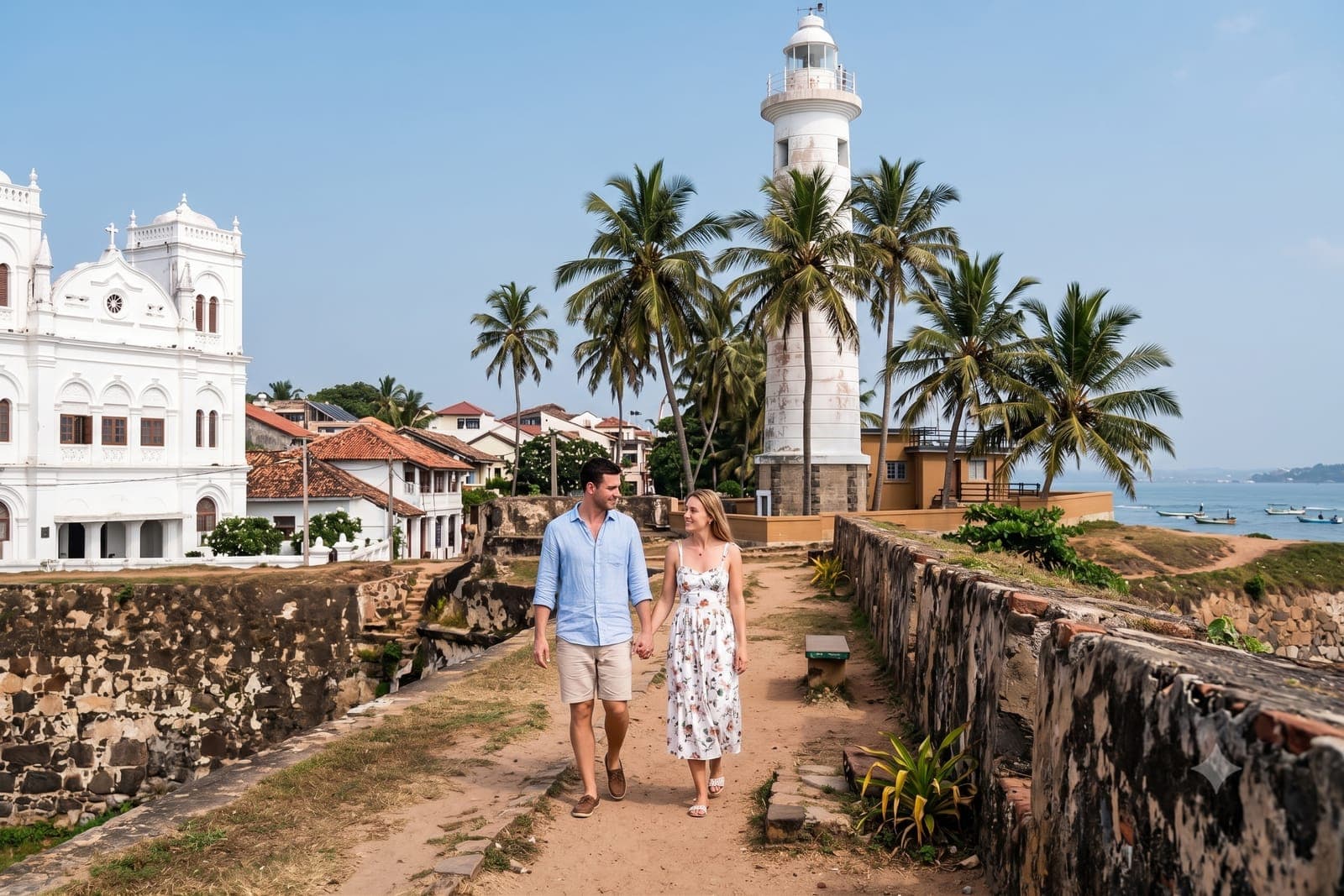
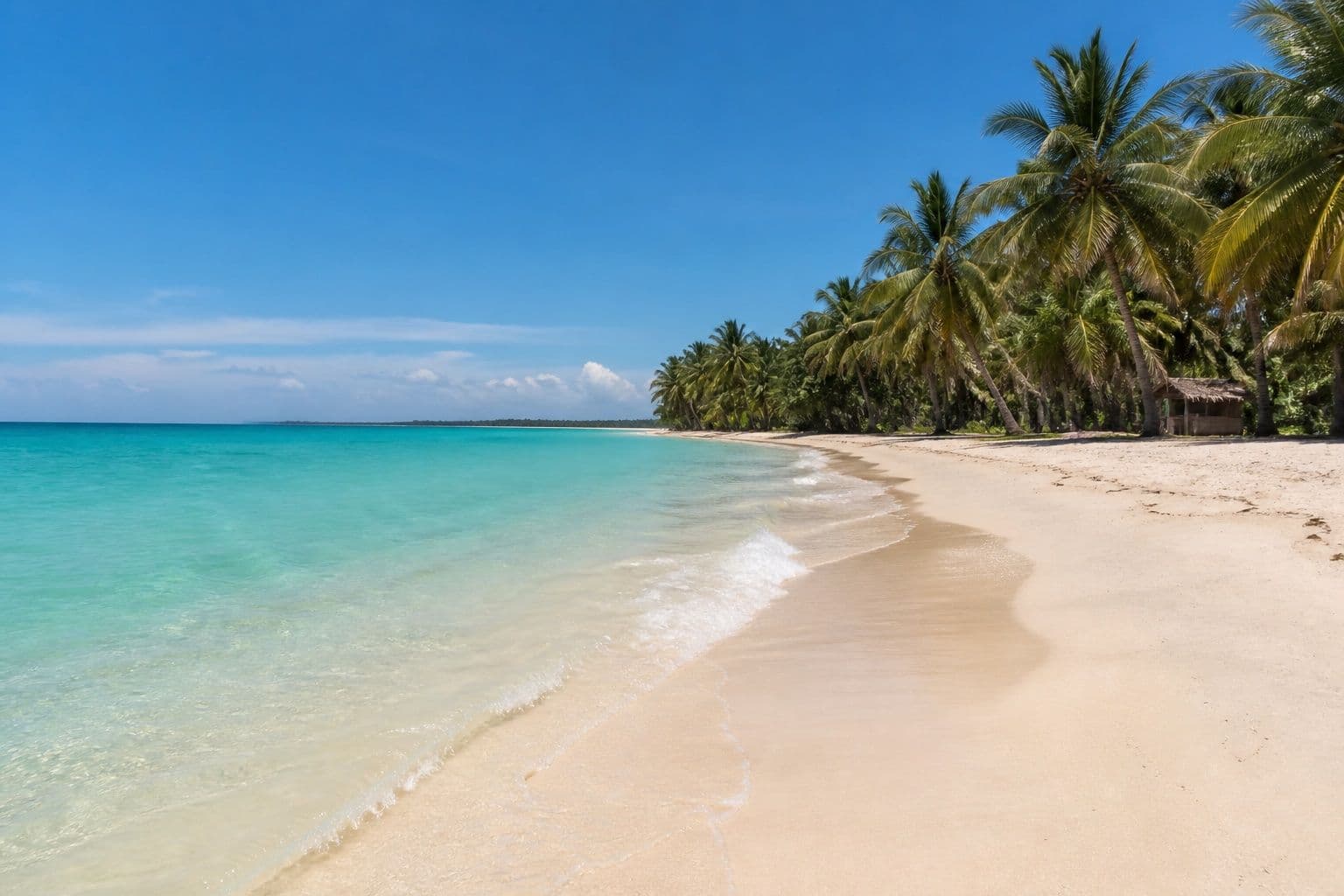
Choose south & west (Galle, Unawatuna, Weligama, Mirissa, Bentota, Hikkaduwa) for December–March swimming, surfing beginners at Weligama, and whale-watching shoulder weeks out of Mirissa (seasonal — confirm operators). Expect bigger crowds and higher rates in European winter. From May–September this coast sees rough seas and frequent showers — still fine for Galle Fort walks on mixed-weather days, weaker for beach holidays.
Choose east (Trincomalee, Nilaveli, Passikudah, Arugam Bay) for May–September dry, hot beach days and east-coast surf season at Arugam Bay. Ideal if you travel in Northern Hemisphere summer. December–February on the east can be windier/wetter — pivot inland to the Cultural Triangle instead.
Cultural Triangle & wildlife
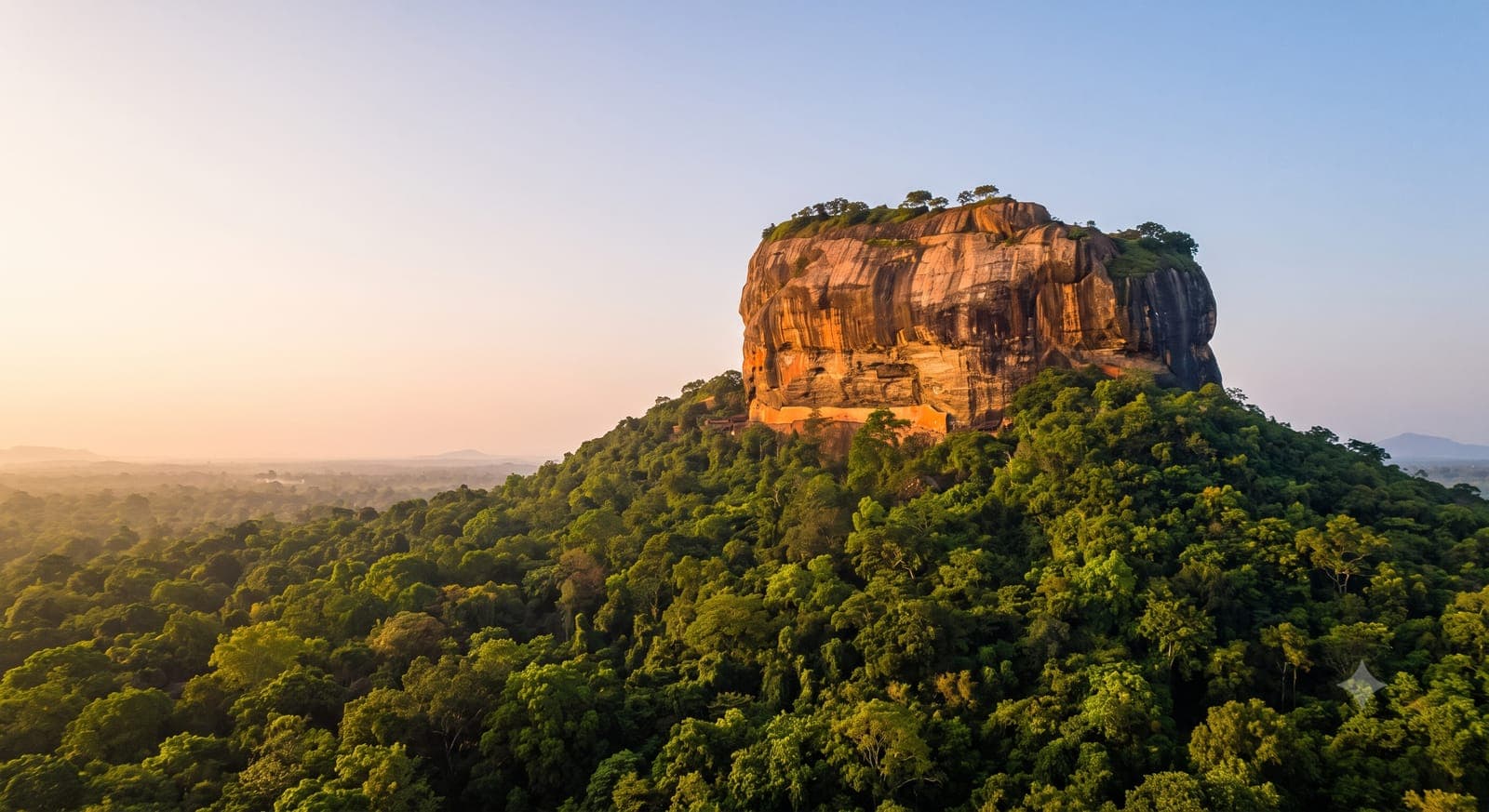
Sigiriya, Polonnaruwa and many dry-zone parks remain workable most months, with hottest middays May–August. Yala and the southeast often pair well with east-coast itineraries in mid-year; always check park opening notices after heavy rain.
Whole-island loops
Shoulder months (April, September) are the easiest compromise if you insist on both coasts in one trip. Otherwise, pick one beach coast that matches your travel month and spend saved transfer days on trains, tea country, or wildlife. Our planners build monsoon-smart routes so you are not staring at brown surf for a week.